The wraps here run from a clean envelope fold to a dress shirt fold with a tie at the collar, with a pleated diagonal and a fan fold top in between, and a wax seal or a sprig of evergreen and berries finishes the look.
Thin or plain paper suits folds that depend on crisp lines, like the envelope fold, while patterned paper hides slightly uneven pleats on the pleated diagonal and the fan fold top.
If time is short, pick patterned paper and a fold that repeats, like the pleated diagonal or the fan fold top, since the pattern covers small mistakes.
If the book is for a fan of a series, keep the paper plain and let stickers and a small toy carry the color.
1. Gift Wrapped
Kraft paper is the forgiving choice for a first book wrap, and the plain method is the best one.
Cut a rectangle large enough to fold over the book, set the book on it, and bring the paper all the way to one side. Then fold the top over the front of the book.
Kraft takes a crease cleanly and goes with nearly any ribbon, tag or sprig you add later. Pressing each fold flat with your thumbnail makes the edges look sharp.
2. Themed Decorations
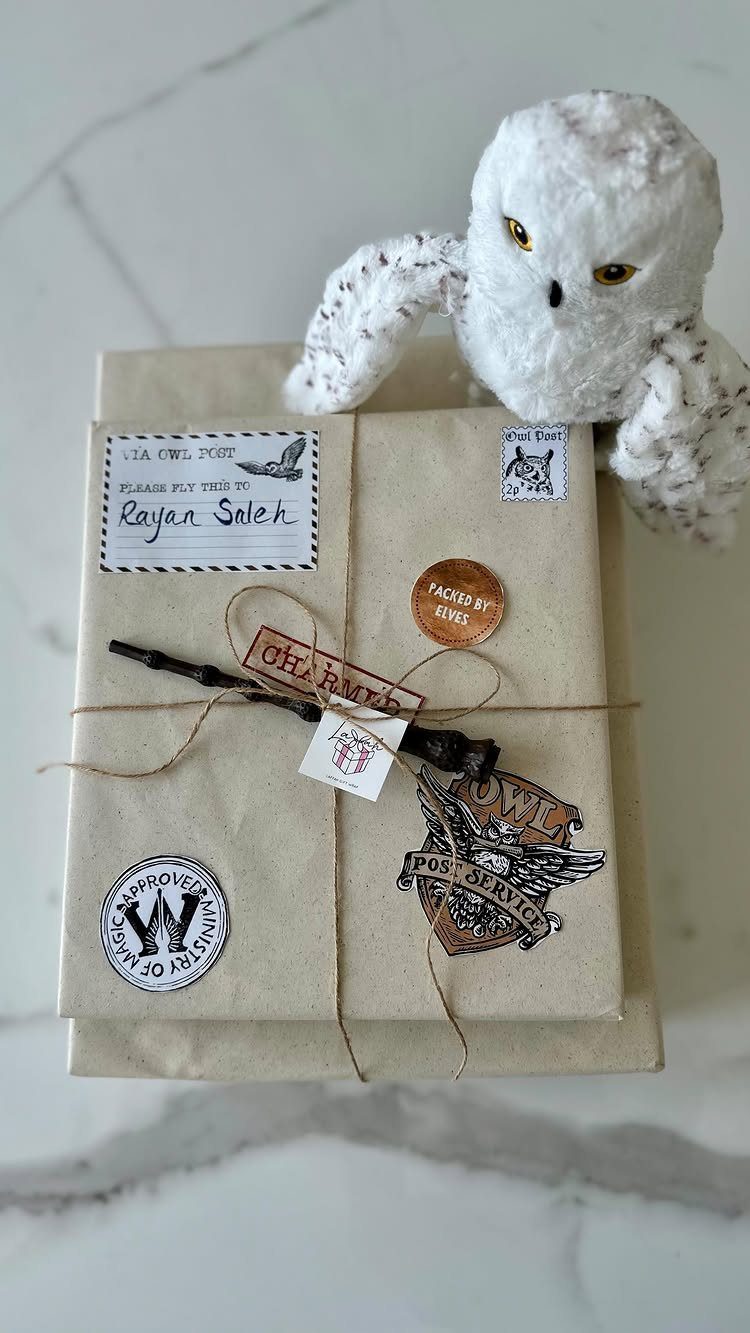
Stickers and a small toy turn plain brown paper into a gift that belongs to one specific book. Pick pieces that match the story: a plush animal, a prop, or labels that play on the book’s world.
I like this best for a fan of a series, since the extras do the talking and the paper can stay simple. Keep the paper plain so the add-ons are the only color.
3. Envelope Fold Wrap
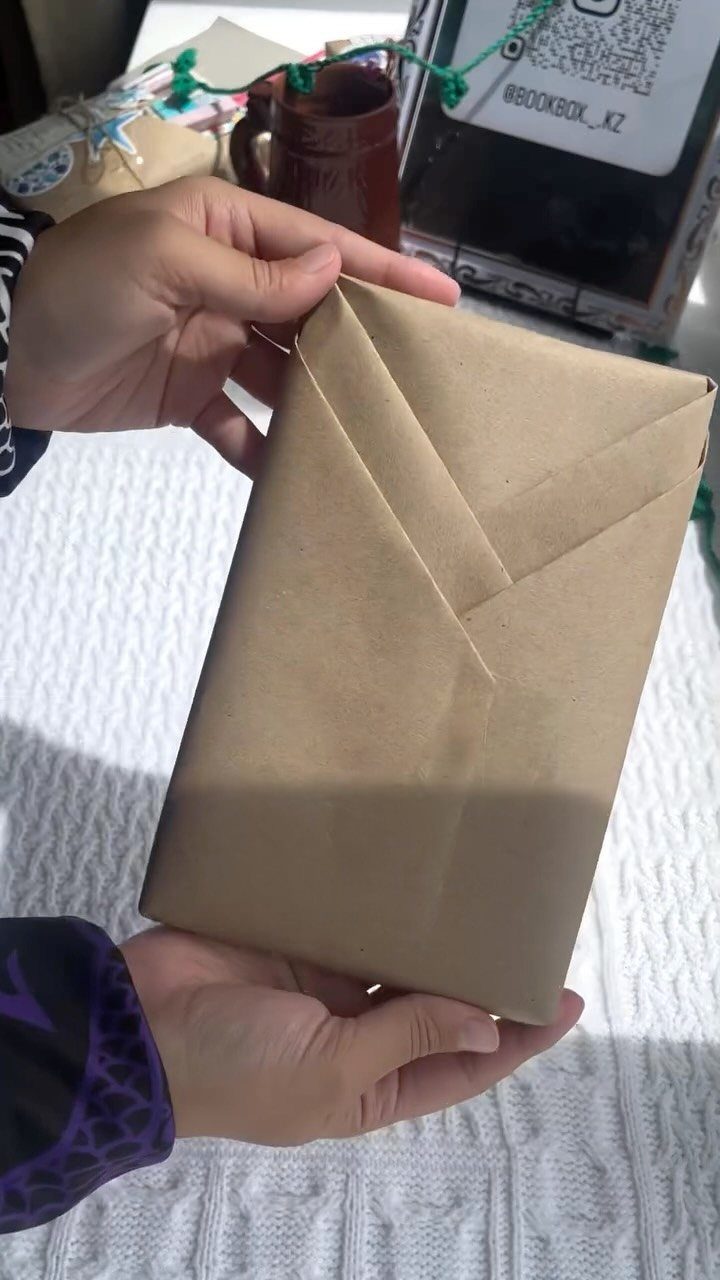
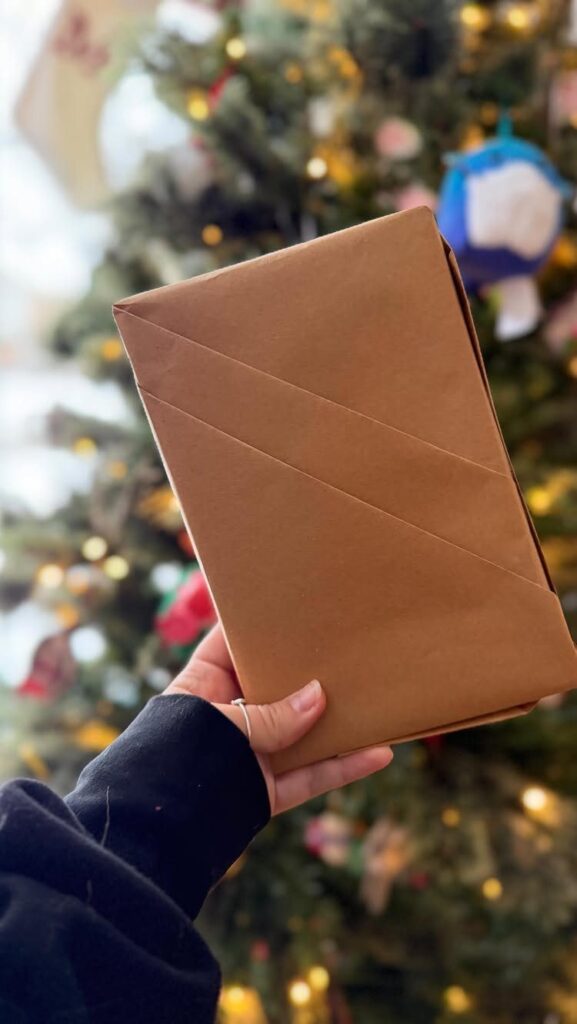
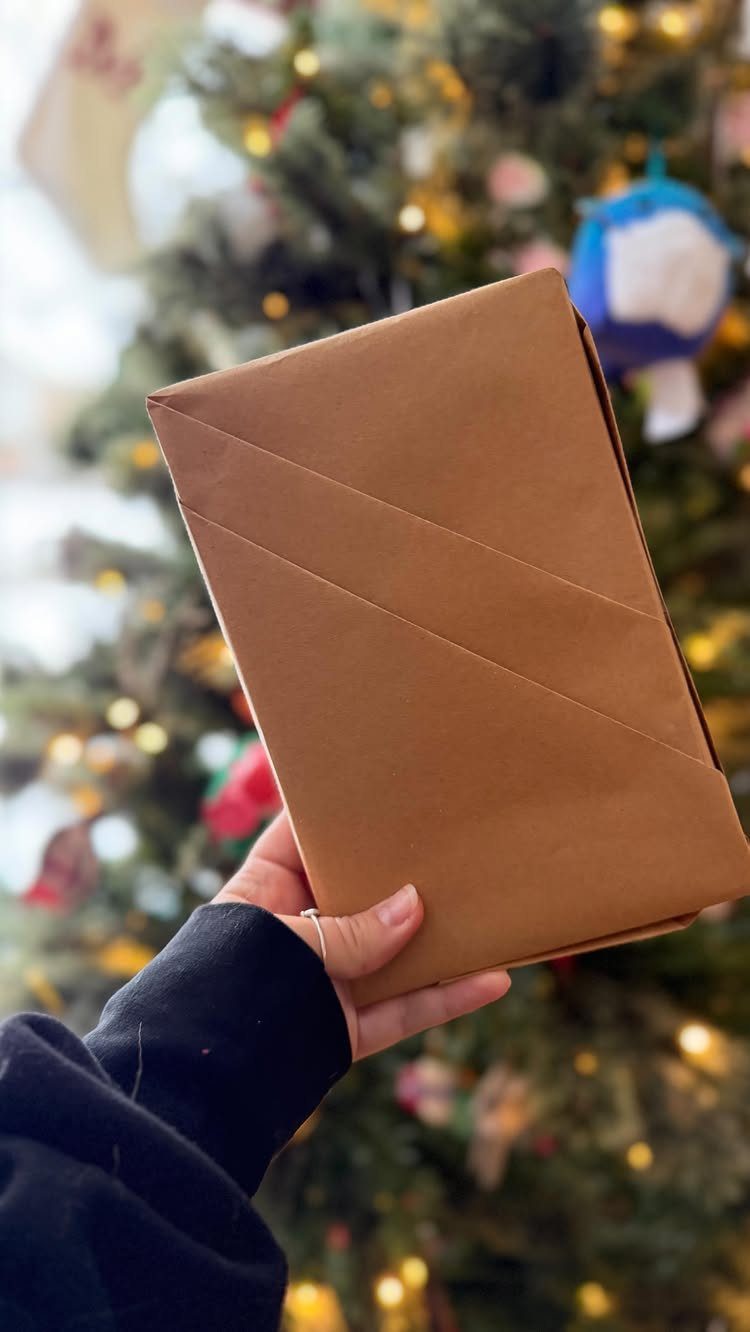
An envelope fold gives the front of the book an angled seam, like a letter, and needs no ribbon to look finished. Brown kraft paper suits it well because the crisp diagonal lines stand out without any pattern competing.
Fold the paper’s sides in toward the center so they meet in an angle, then tape the seam underneath. It takes about as long as a basic wrap and looks more deliberate.
4. Wax Seal Accent
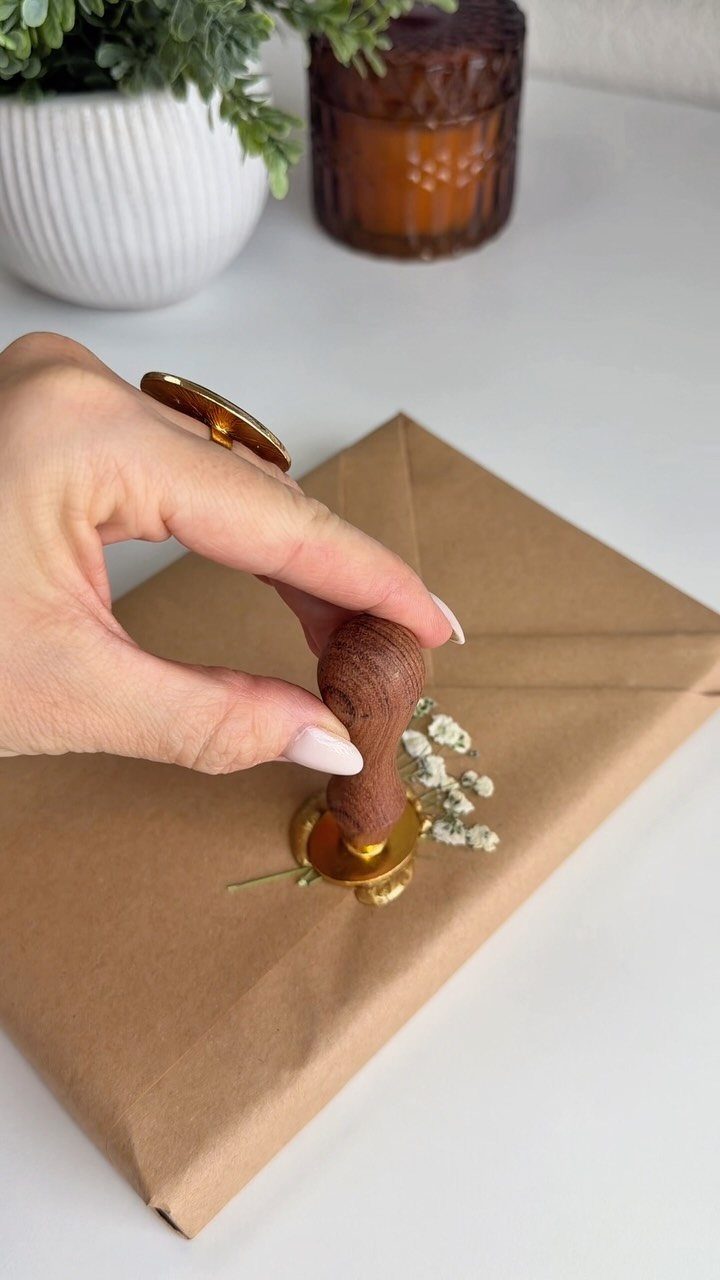
A wax seal is the one finishing touch I would add to a brown paper wrap when I want it to feel old-fashioned.
A wooden-handled stamp presses the design into the melted wax, and a few small white flowers tucked beside it add softness.
Skip tape on top and let the seal sit where the paper closes. Practice on scrap paper first, because the first press is rarely the neatest.
5. Dress Shirt Fold with Tie
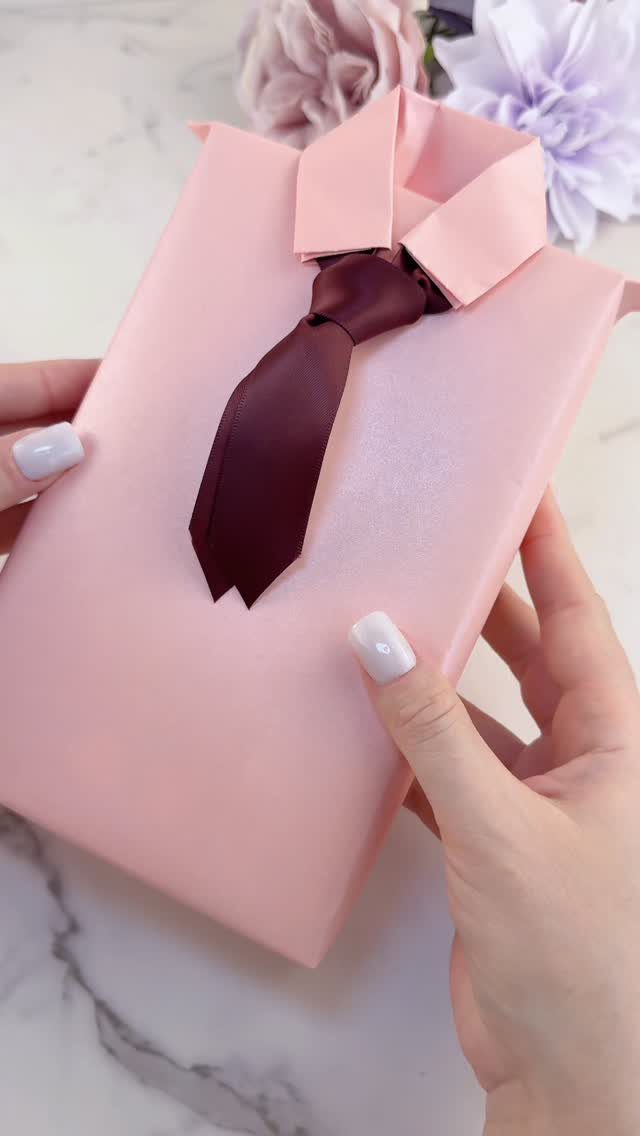
Wrapping a book as a collared dress shirt is a clever fit for a dad, a grandfather or any reader who likes a bit of humor.
The paper is folded to form the collar, and a fabric necktie sits at the neck in place of ribbon.
The tie doubles as a second gift, so pick one in a color that suits the person. Use a paper with some body, since a thin sheet will not hold the collar’s shape.
6. Pleated Diagonal Fold
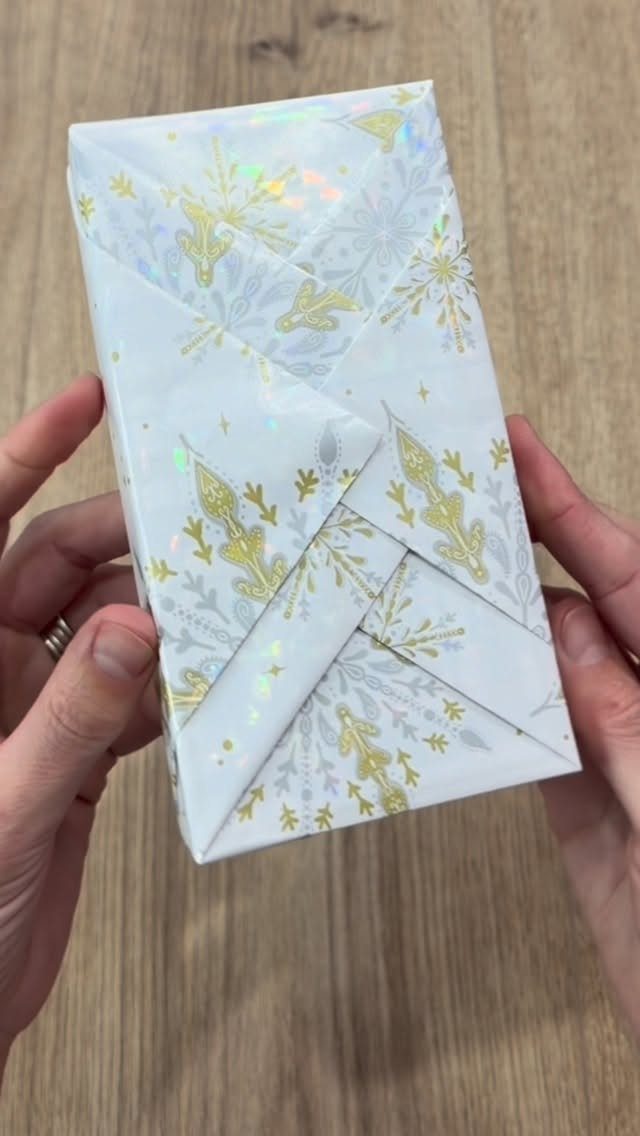
Pleated diagonal creases make a book look tailored, and decorative paper in white and gold shows them off best. The folds run across the front in even bands, so the pattern repeats and the surface looks richly detailed.
Mark your pleat width before you fold and keep each crease the same size. A patterned paper hides small slips better than a solid one, which makes it a good pick if you are short on time.
7. Fan Fold Top
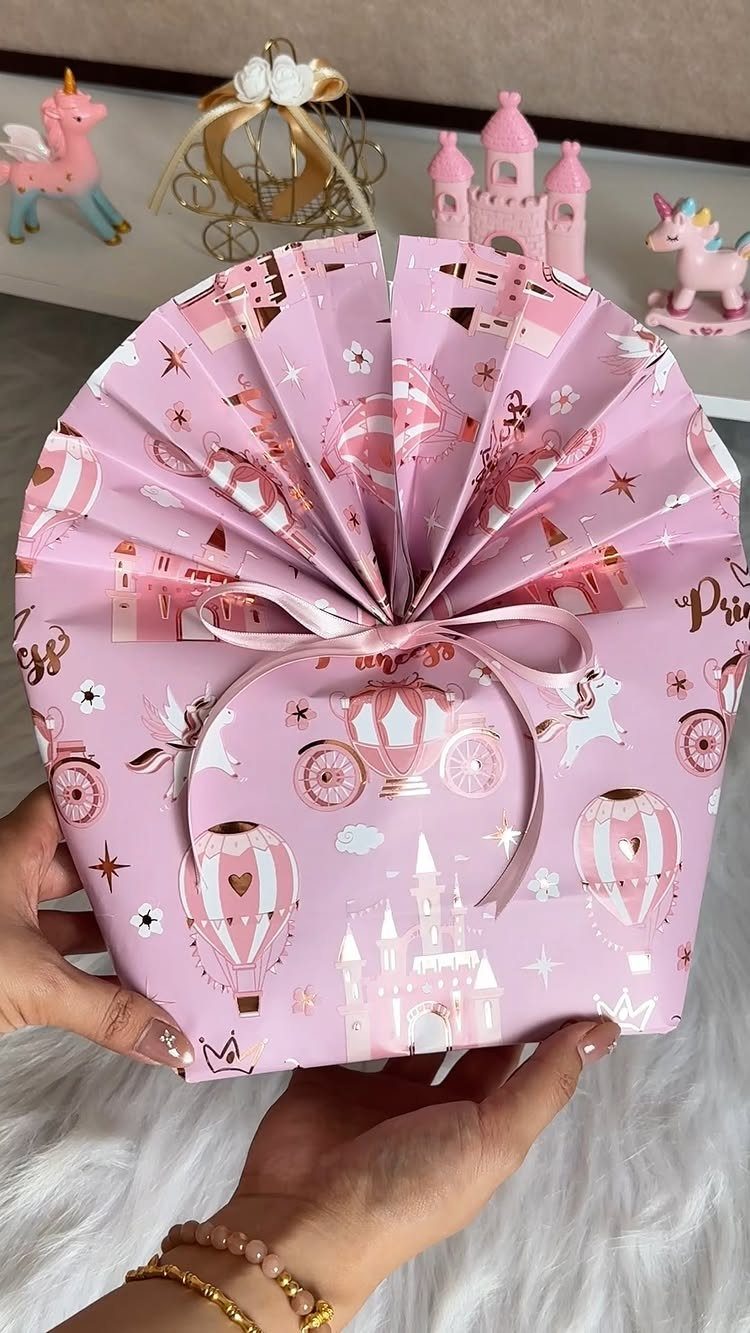
A fan fold top uses the extra paper at the end of the book as the decoration, so the only thing to buy is a short length of ribbon to tie around the pinch.
Pleat the spare paper back and forth in even folds, pinch it in the middle, and tie a ribbon around the pinch so the fan stands upright.
Patterned paper hides uneven pleats, which is why I would pick it for a quick wrap. Leave a little extra length at the top when you cut the sheet, since the fan needs paper to spare.
8. Evergreen and Berry Sprigs
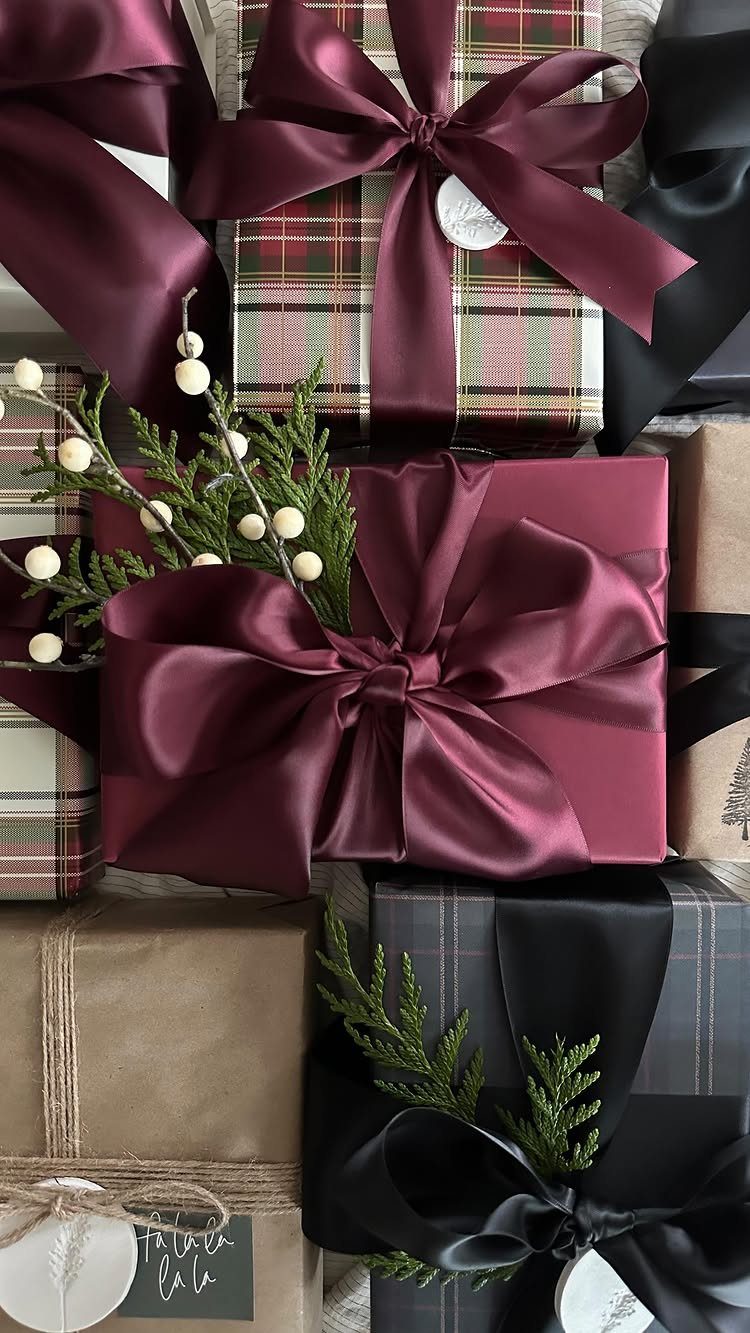
Broad satin ribbon and a few sprigs of evergreen make plaid paper look finished, with no printed tag and no bow from the shelf.
Wrap the book plainly first, then tie the ribbon snugly so the sprigs have something to tuck under.
Layering two ribbon colors, one over the other, adds depth for almost no extra cost. Small white berries look best set against the evergreen at the knot.
Use real sprigs close to the gift day, because cut greenery dries out. A handwritten tag makes the book feel personal.
9. Add a Pocket for Extras
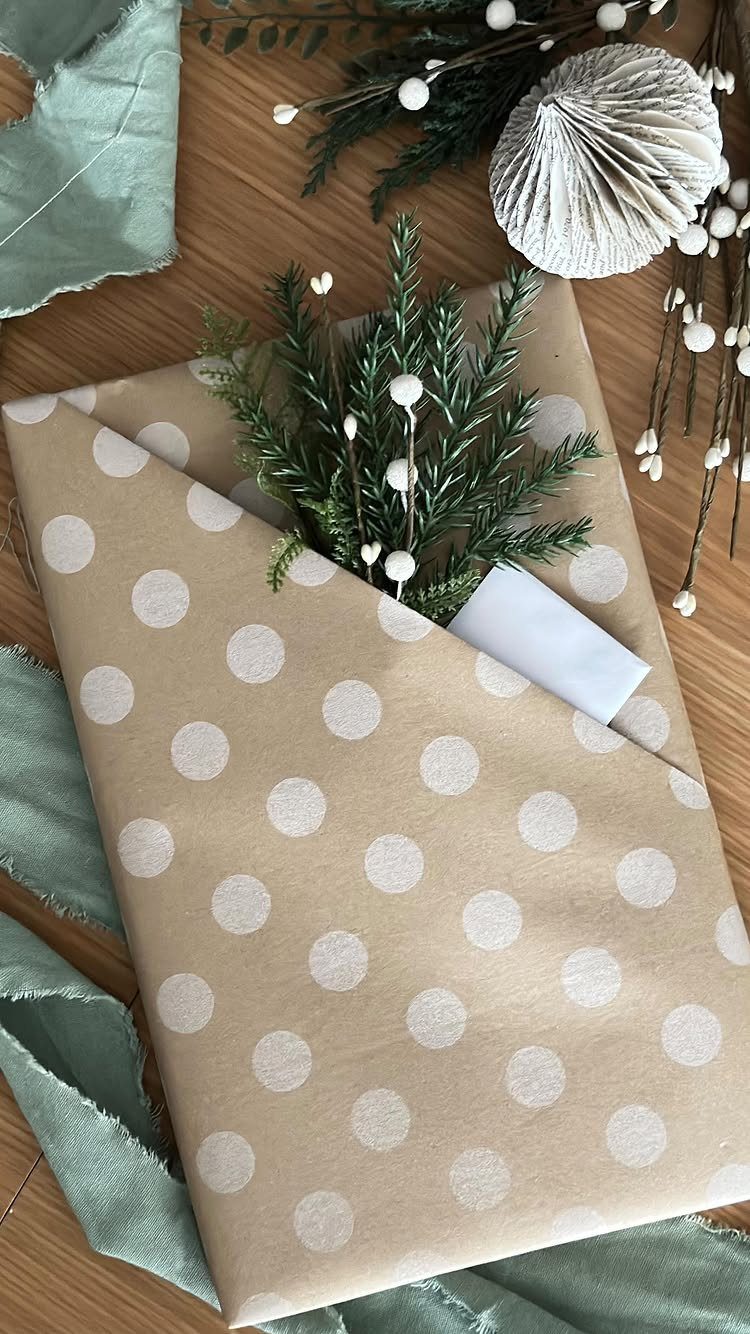
A pocket built into the wrap gives a card or bookmark a home on the book itself, so nothing slides out or gets lost.
Fold a flap of paper on the front and tape it down along the sides and bottom, leaving the top open.
Make the pocket slightly wider than the card so it slides in easily.
I like this for a bookmark, since the giver’s extra is already in place.
Supplies Needed for Wrapping
Wrapping paper, tape and scissors cover the basics. Ribbon or a bow is optional, and you can skip both if the paper does the work.
Newspaper and comics are both cheap and already in your recycling bin. Graph paper you color in yourself also works.
For a cookbook, brown craft paper and kitchen twine look like deli wrapping brought home. Colorful thread, small buttons, pipe cleaners and tissue paper turn into polka dots, bows and tiny paper flowers.
I keep a roll of tissue paper on hand too, since it doubles as a liner and as a filler for accents.
Tips for a Polished Look
Tissue paper is worth the extra step. Wrap tissue around the book first, then tape your outer paper to the tissue so no tape touches the cover.
Fold one long edge over by about an inch for a clean, crisp edge, then secure the other edge.
Tape the first side down, fold the second side over, and tape that too once the fit is snug.
Fold each side inward on a diagonal so it forms a triangle pointing toward the opposite corner, and press gently so the paper doesn’t tear at the edges. What’s left should taper to a point.
Creative Wrapping Techniques
A book’s shape gives it away, so a disguise keeps some surprise intact.
Hand-stamped paper is an easy way to do that.
Dip a pencil eraser in a basic ink pad and press polka dots onto blank paper. For texture, cut shapes from a sponge and stamp those instead.
Because the paper is one of a kind, it suits a book chosen just for one person. Let the ink dry fully before you fold, or it will smudge at the creases.
The only problem with gifting a book — whether it’s a cookbook for your foodie friend, a classic for your bookworm niece or a children’s book for a little one in your life, even once wrapped — is its shape usually gives the contents away.
Frequently Asked Questions
What kind of paper is used to wrap books?
Kraft paper is the most forgiving choice, since it creases cleanly and goes with nearly any ribbon, tag or sprig.
Glossy and tissue paper work too, and newspaper, comics or graph paper you color yourself are cheap options. Pick a sheet with some body if you plan a folded collar, because thin paper won’t hold its shape.
Should I gift wrap a book?
Yes.
A wrapped book still shows its shape, but the paper turns a store purchase into something you picked out for one person. Even plain kraft with a handwritten tag looks considered.
What are some creative ways to wrap a book?
Match the wrap to the person. A dress shirt fold with a fabric necktie suits a dad or grandfather, and the tie doubles as a second gift.
For a series fan, plain brown paper with a small plush toy or themed stickers makes the gift feel specific to that story. Hand-stamped paper made with a pencil eraser dipped in an ink pad gives you one-of-a-kind polka dots.