Where the wrapping ends up decides the choice: the compost bin with compostable paper, the curbside recycling with kraft or botanical recycled stock, or the recipient’s own drawer with fabric or burlap.
The ideas here run from free newspaper and plain kraft to a cloth wrap the recipient keeps, and from a single strip of tape to none at all.
For a gift meant to be kept, fabric or burlap with twine wins, since the wrap itself becomes part of the present.
1. Fabric Gift Wrap
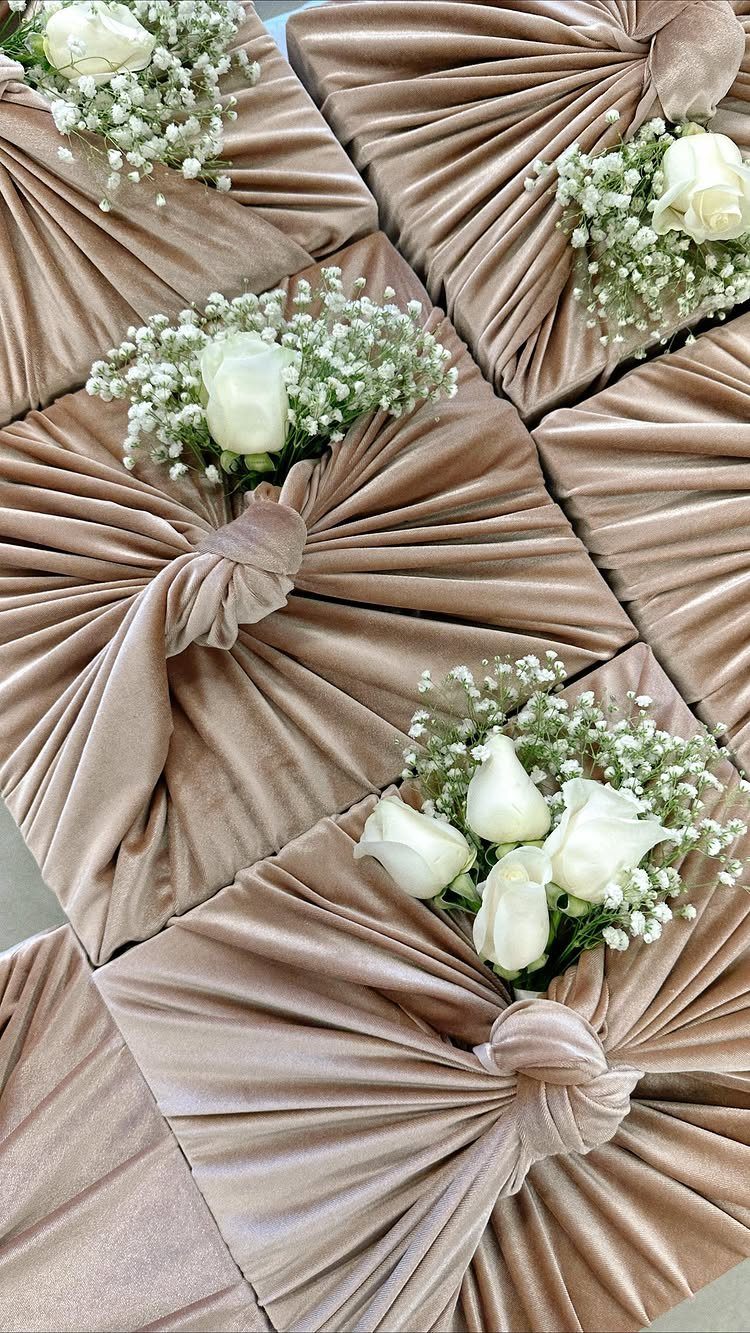
Furoshiki-style wrapping asks for a square of cloth and a couple of knots, with no tape and no scissors.
Fabric like champagne velvet holds a soft, full shape around a box, and the knot you tie to close it doubles as the bow, so no ribbon or tape is needed.
Pick cloth that feels like part of the gift. A scarf, a tea towel or a cloth napkin set works well, and the recipient keeps it, which is the whole case for choosing this over paper.
A small sprig of baby’s breath tucked under the knot costs almost nothing and finishes it.
2. Newspaper Wrapping
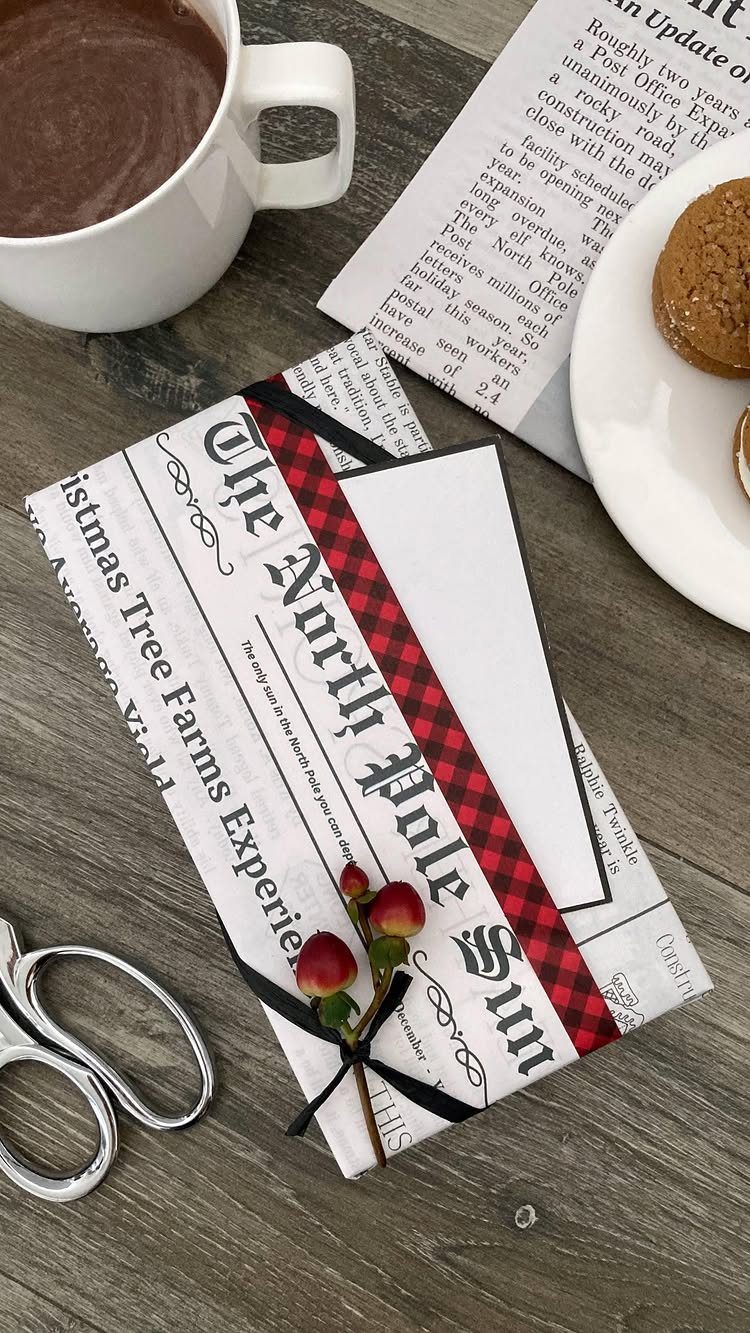
Old newspaper is free, and it already has print on it, so the paper does the decorating.
I would pick pages with a good headline or a color comic strip and center that on the top of the box. Fold the edges crisply and use a single strip of tape.
Newsprint is thin, so double the layer around anything with sharp corners.
3. Natural Decorations for Gifts
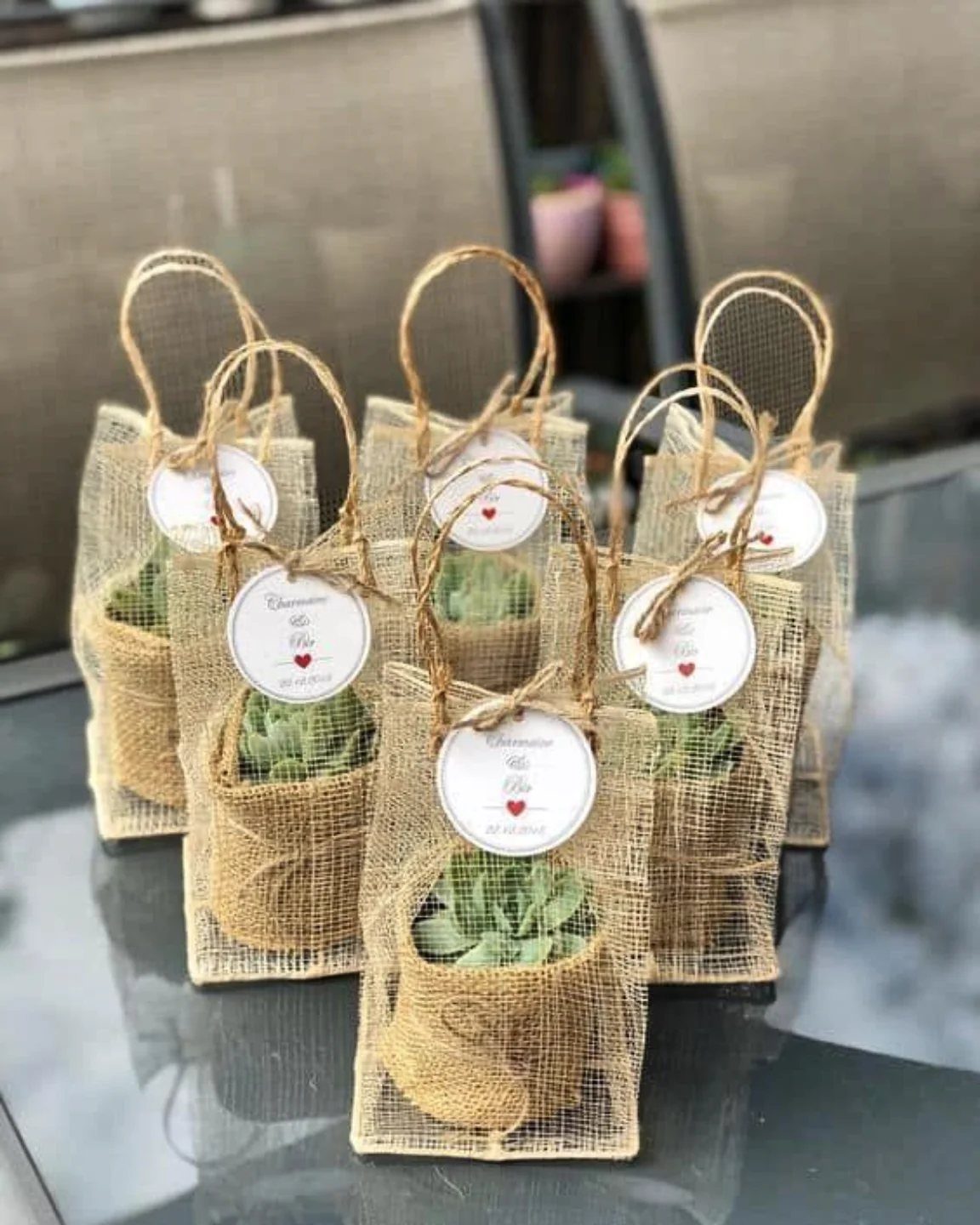
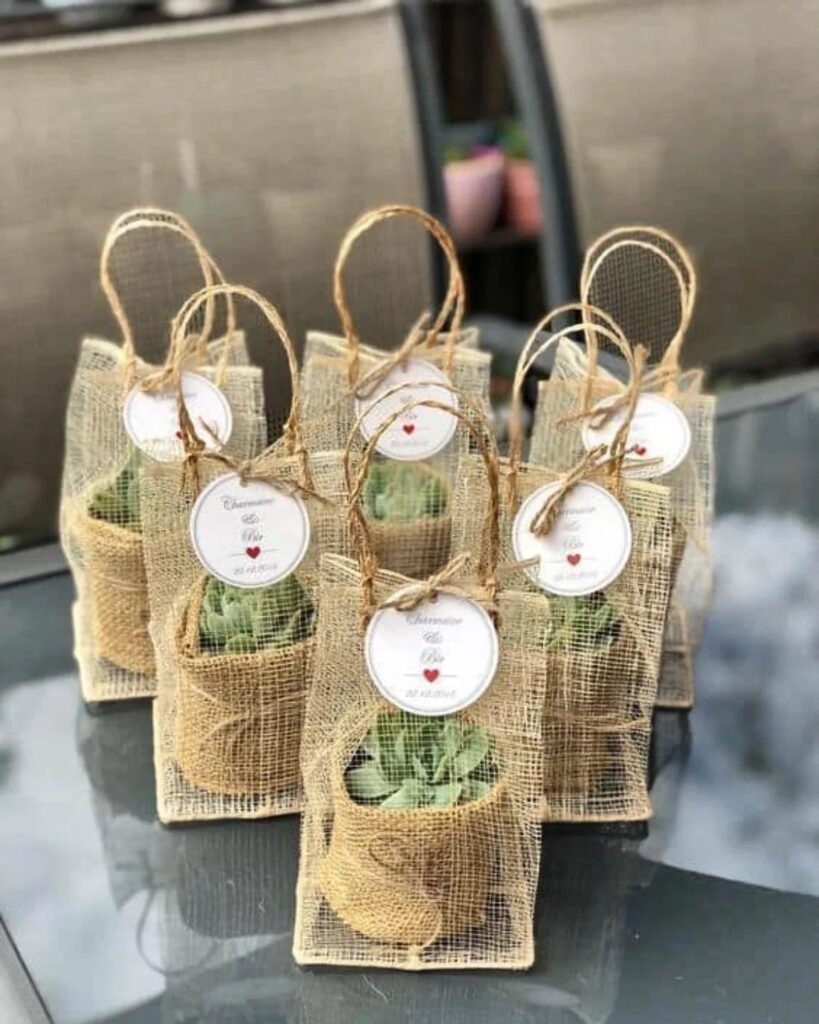
Burlap bags, twine handles and a handwritten tag turn a potted succulent into a gift that needs no paper at all. The plant is the present and the wrapping both.
Small tags are cheap to make: cut circles from scrap cardstock, punch a hole and write a short message. A drawn heart takes seconds.
For gifts that are not plants, tie a sprig or a few leaves on with twine instead. I prefer one natural piece per gift, because a crowded top looks fussy.
4. Compostable Wrapping Paper
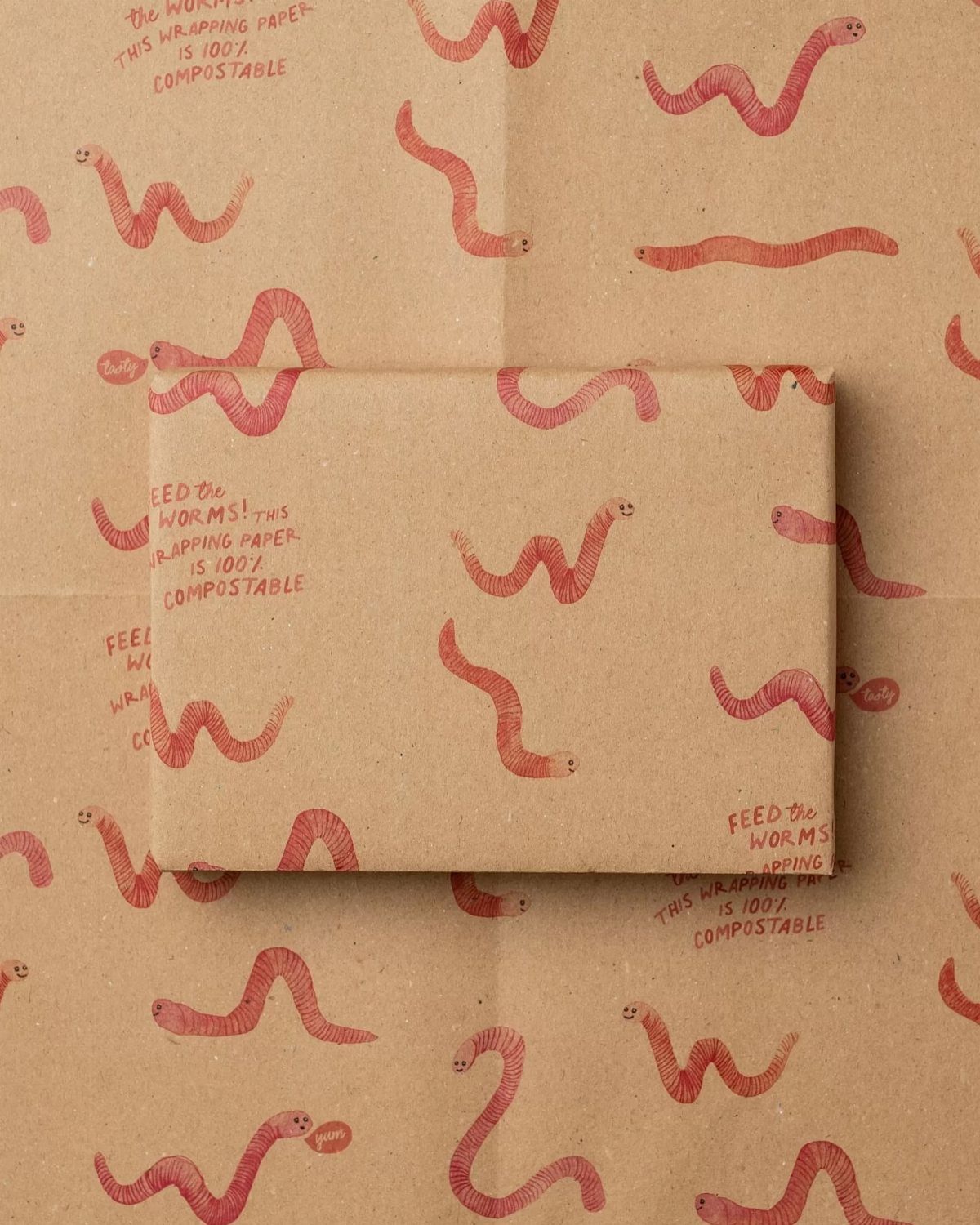
Paper that says "feed the worms" on its face settles the question of what to do with it afterward: tear it up and add it to the compost bin.
Plain brown kraft stock with a simple repeating stamp or print looks finished with nothing added, so skip the ribbon if you want to save money.
Check the label before buying, since not every paper marketed as green can go in the compost. Remove tape and any glossy ribbon first, or use paper twine so everything breaks down together.
5. Vintage Maps
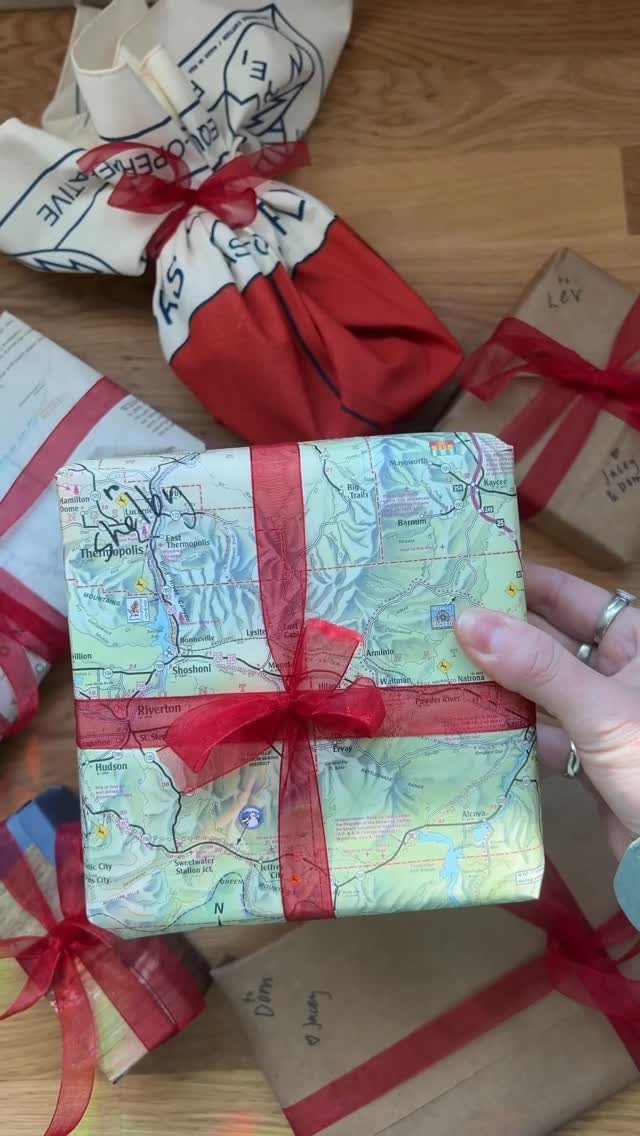
An old map makes wrapping paper that gets read. Guests lean in to find a hometown or a place they have been, which paper from a roll never manages.
Pick a map tied to the recipient: where they grew up, honeymooned or live now, and center that spot on the front of the gift. Red ribbon stands out nicely against the muted colors.
Thrift stores and used bookshops are the usual sources. Maps tend to be sturdy, but fold the corners with care so the creases stay neat.
6. Brown Kraft Paper Wrapping
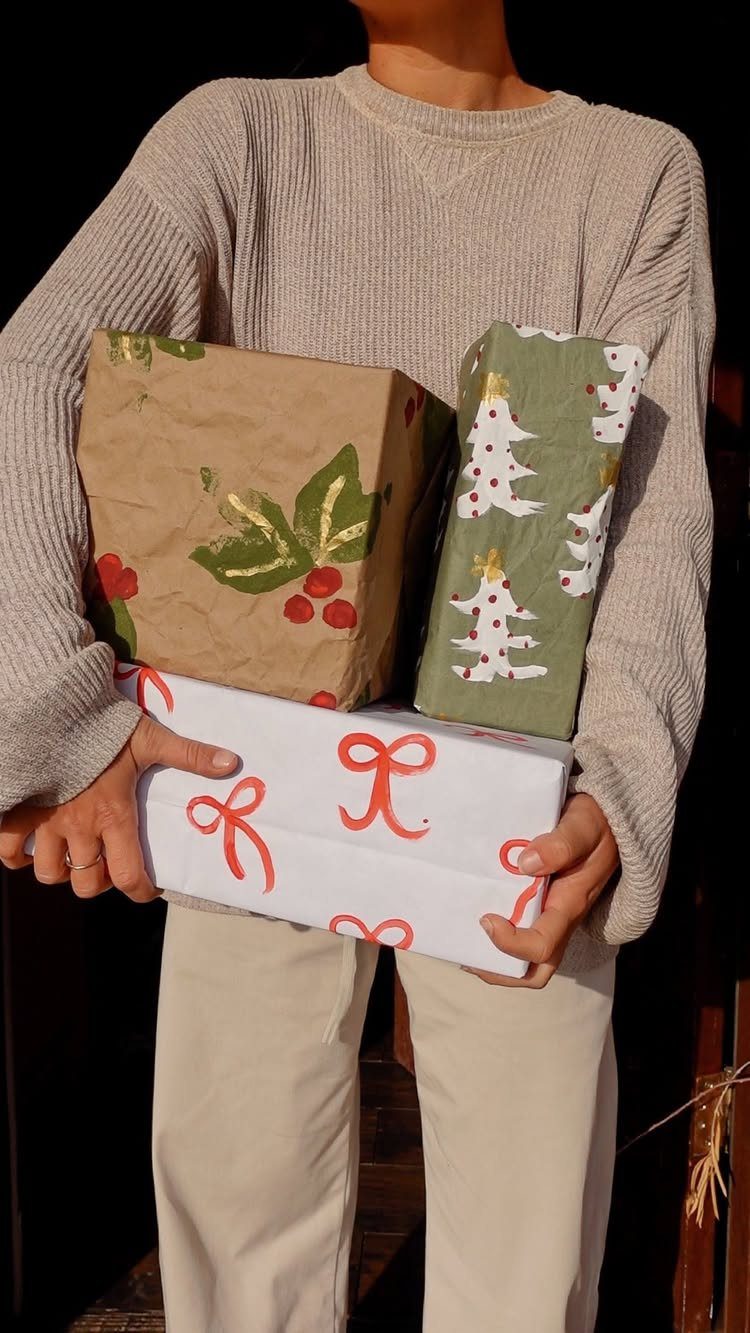
Plain brown kraft paper is the cheapest blank canvas in gift wrapping, and a few hand-painted berries can make it look considered. Paint a small cluster in one corner and leave the rest bare.
A wax seal is the other route I like. Press it over the twine knot for a finished, old-fashioned look.
Kraft takes paint, stamps and markers well, so a whole stack of gifts can match without matching exactly. Practice the berries on a scrap first, since brush marks cannot be erased.
7. Botanical Printed Recycled Paper
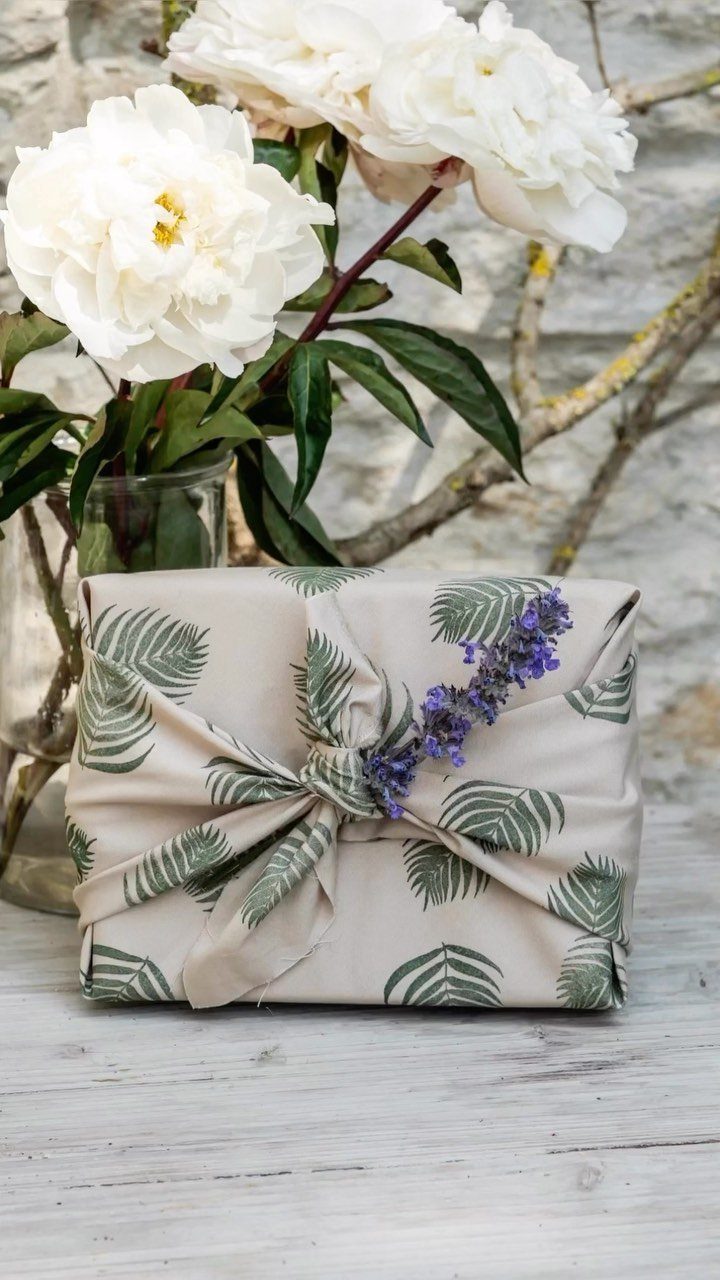
Stamped leaves on beige paper do the work of a bow, so a matching ribbon and one sprig of lavender are all the trim it needs. Recycled stock in a neutral shade lets the green print carry the look.
The maker of this piece says stamping any scrap of fabric gives you furoshiki-style wrap, and I like that route: the cloth gets reused and the recipient can keep it.
Test the stamp on a scrap before the real thing, because ink pressed twice cannot be undone.
Keep the ribbon in the same color family as the print, so the gift reads as one idea.
8. Burlap Wrap with Twine
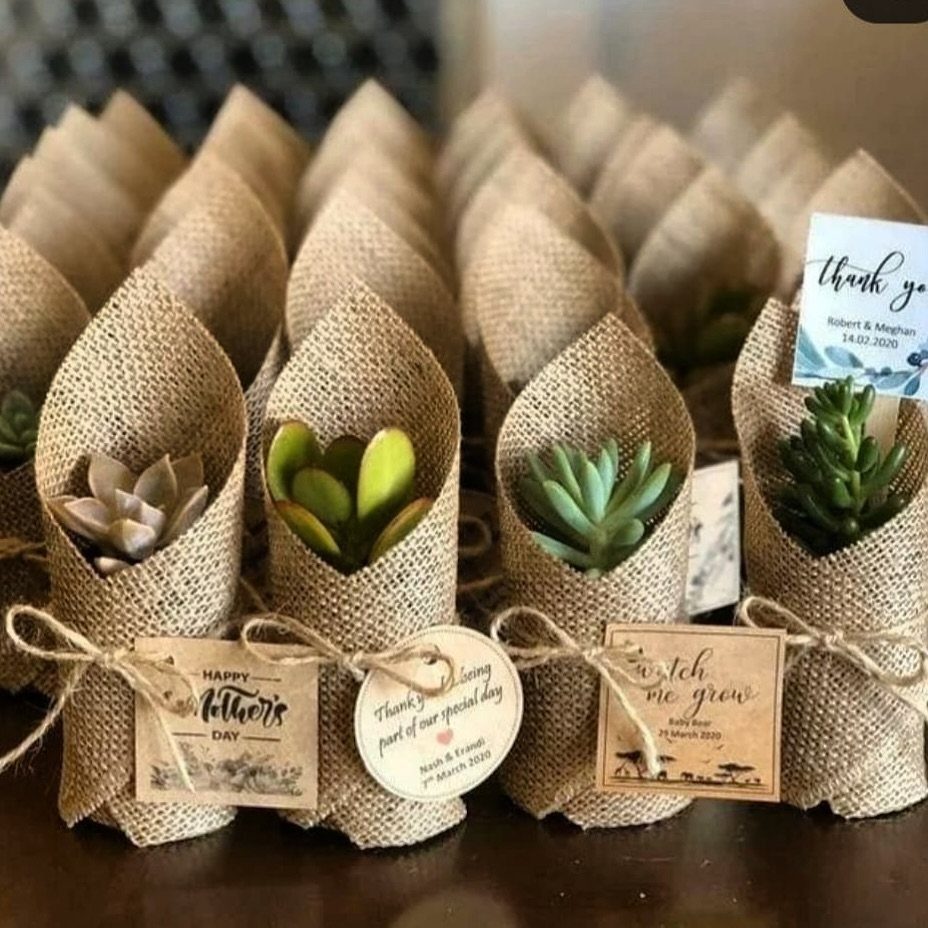
Burlap and twine suit a gift that grows. Small succulents, wrapped in textured brown cloth around the pot and tied at the neck, need no box, no tape and no paper.
Burlap sheds fibers, so cut it with a little extra width and tuck the raw edges under the twine. Paper tags let one batch serve several occasions: a thank-you, a holiday, a short "Watch me grow."
For a party, I would wrap a whole tray of them and let guests pick one to take home. That makes a favor out of the wrapping itself.
Recycling Rules for Wrapping Paper
Shiny or laminated wrapping paper usually can’t go in the curbside bin, because the gloss is a thin layer of plastic. Metallic and glittery finishes fall in the same group.
Plain paper, recycled stock or uncoated kraft is the safe pick if you want the scraps to stay in the recycling stream. Skip anything with high-gloss patterns or sparkly embellishments.
Rules differ from town to town, so check your local guidelines before you toss a pile of torn paper into the bin.
If a roll isn’t labeled and you can’t tell what it is, treat it as trash rather than risk contaminating a whole load of good recycling.
Environmental Impact of Wrapping Paper
December is the heaviest month for household trash, and the stat I see most often is an extra 1 million tons a week going to landfills from wrapping paper, ribbon and packaging combined.
Wrapping is a small part of that, but it is the part you control completely.
Paper you can recycle, compost or reuse again keeps part of that pile out of the bin, so pick your materials with the end of their life in mind.
Reusable wraps also save money over the years, since you stop buying a new roll each season.
Conventional wraps can carry plastics and inks you may not want around, so safer picks such as soy-based inks, organic cotton and natural fibers are worth looking for on the label.
Stanford University estimates that the average household in the U.S. produces 25 percent more waste during the holiday period than any other time of year. According to Zero Waste Canada, Canadians throw out 540,000 tonnes of gift wrapping and shopping bags each year.
Creative Wrapping Ideas
Magazine pages, old calendars, brown takeout bags and packing materials all wrap a box well, and a kid’s spare artwork makes a gift the recipient will probably smile at.
Washi tape replaces plastic tape well: it breaks down naturally, tears by hand, and comes in more colors and prints than most people will ever use.
Hemp cord, jute twine, raffia and torn strips of old fabric all tie a neat bow, and I find they look better than a store-bought stick-on one.
A reusable tote works for the odd-shaped gift that won’t fold into paper, and the person who gets it will carry it around for years after the party ends.
Pine cones, berries and evergreen sprigs add a finishing touch for nothing.
Frequently Asked Questions
What is the most environmentally friendly wrapping paper?
Fabric wrap, compostable paper and plain recycled paper are the best picks.
Cloth like a scarf or tea towel gets kept and reused, which beats any paper. Among paper, uncoated recycled or kraft stock can be recycled or composted once the tape and glossy ribbon come off.
What wrapping paper is not recyclable?
Foil, glitter, metallic and plastic-coated papers belong in the trash, not the curbside bin. Those finishes are bonded to a plastic film that the paper mill can’t separate from the fiber.