The shape of the gift decides the wrap more than the style does: boxes and books suit nearly everything here, while a bottle or a lamp won’t fit a fabric bag and newsprint tears at the corners.
The ideas run from free newspaper to hand-gathered tissue flowers, and from a 3-minute flick of splatter paint to a patterned paper you make yourself.
Whatever you pick, one accent color and a plain everything-else is what makes it look chosen.
1. Fabric Gift Bags
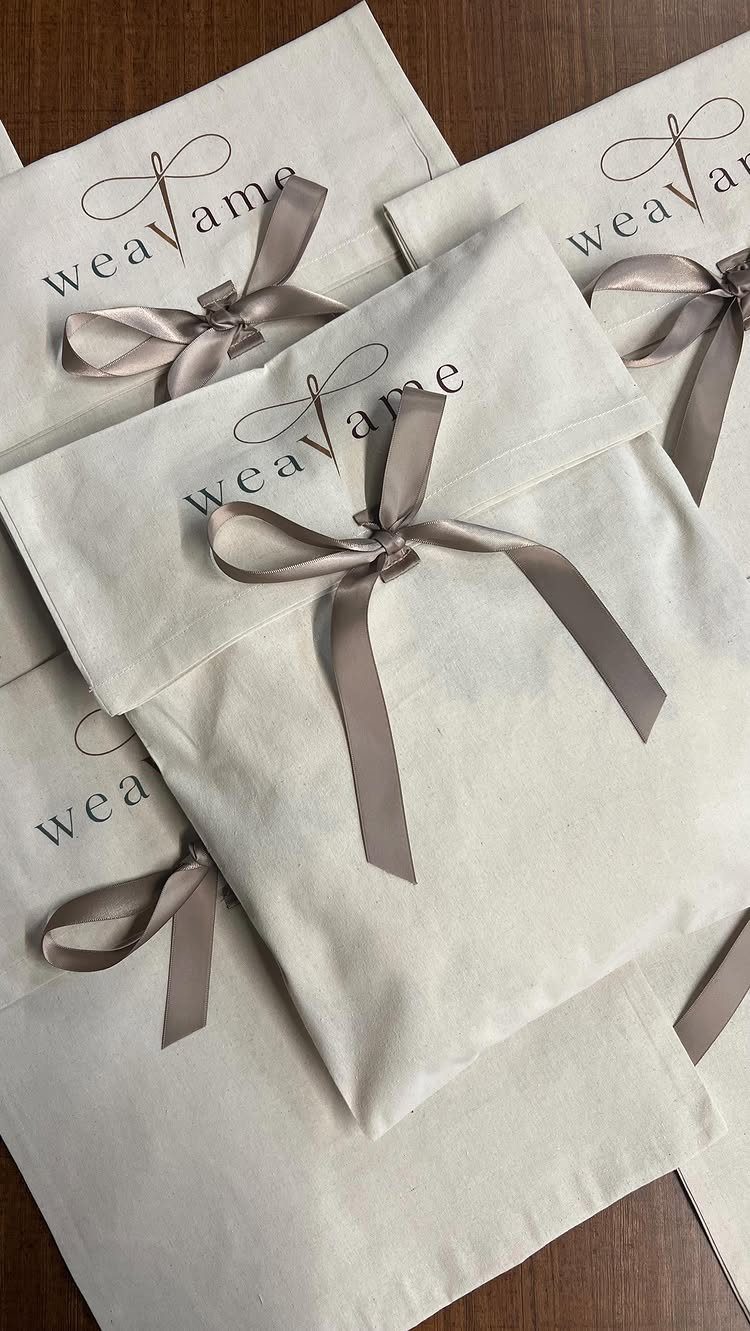
Cream bags with a satin tie are the version I would make again and again, because the recipient keeps the wrapping. A drawstring or a ribbon bow closes them with no tape and no scissors.
Choose a ribbon in one soft accent, like the mauve here, so plain off-white fabric looks deliberate. A printed or stamped word on the front works as the tag, which saves a step.
Size is the limit: a fabric bag holds boxes and soft items well, but an awkward shape like a bottle or a lamp won’t fit.
2. DIY Patterned Wrapping Paper
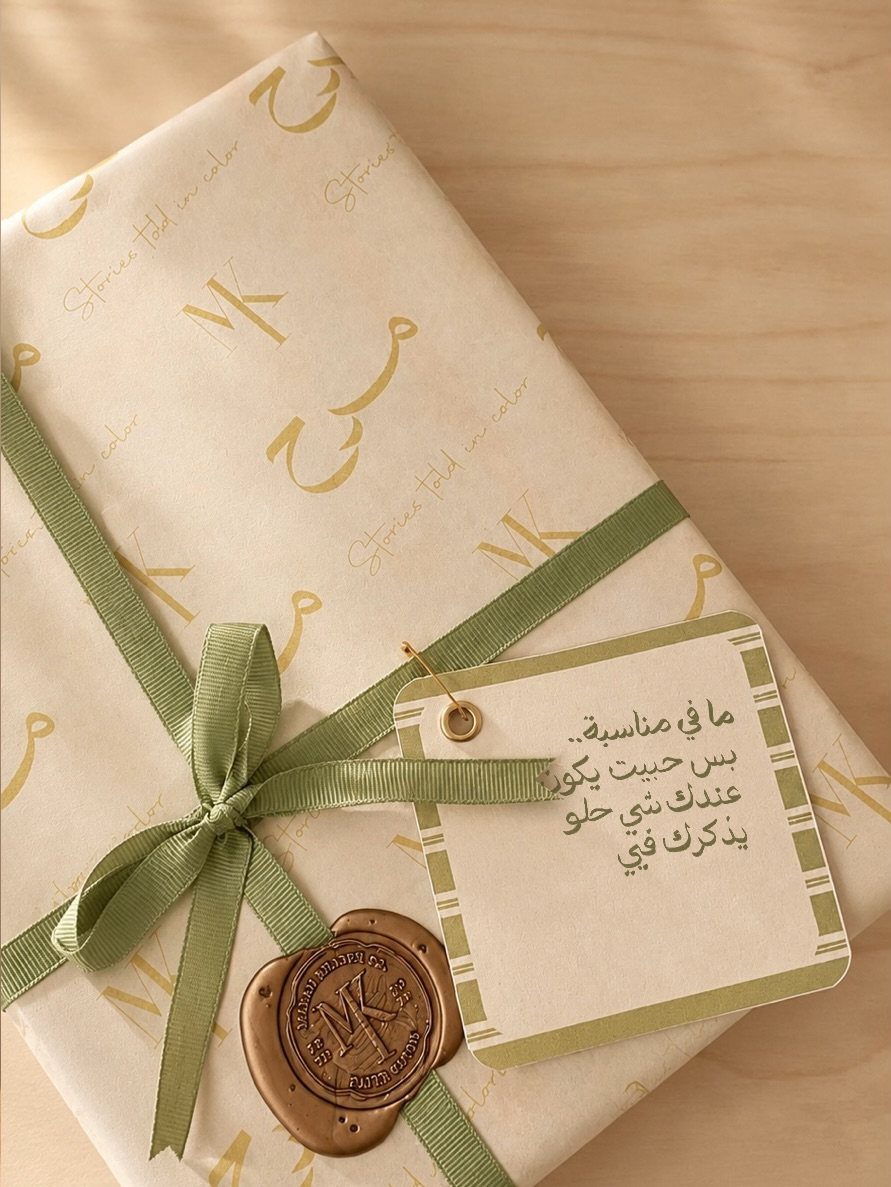
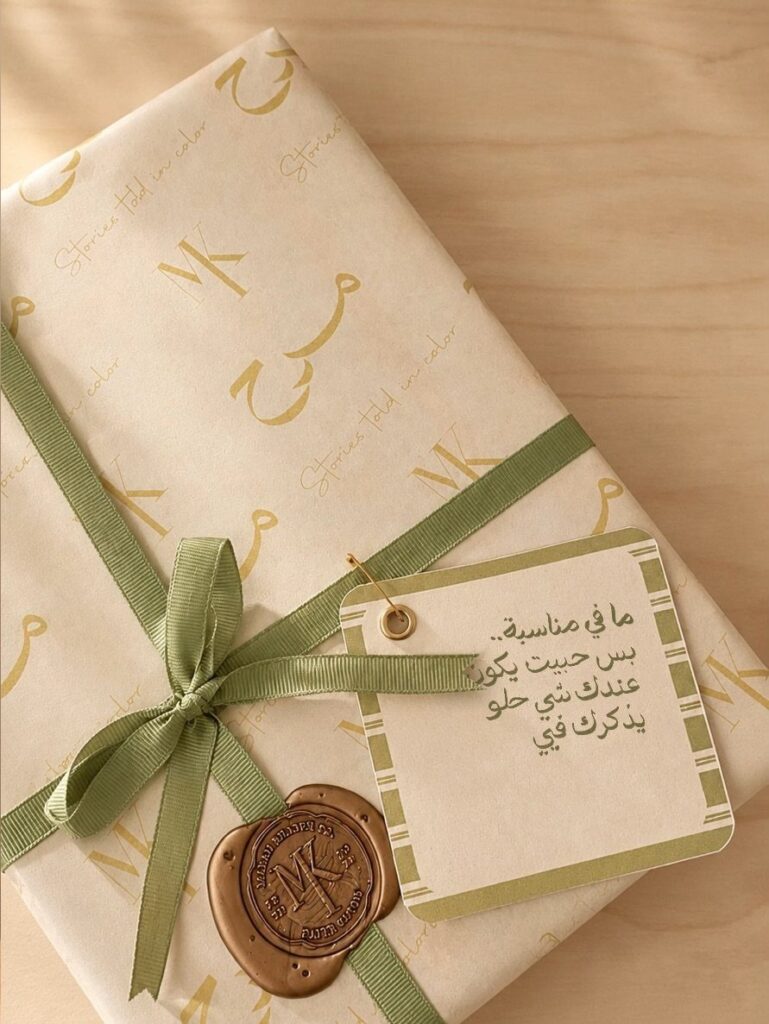
Gold calligraphy on cream paper turns a plain sheet into something that looks commissioned. Drawing your own pattern means the paper can match the recipient, the occasion or even the language of the note tucked on top.
A paint pen over plain paper is the easiest route if you have steady hands. Keep the pattern loose and repeating so small wobbles read as handmade.
Pick one accent color, then let the pattern do the talking.
3. Tissue Paper Flowers
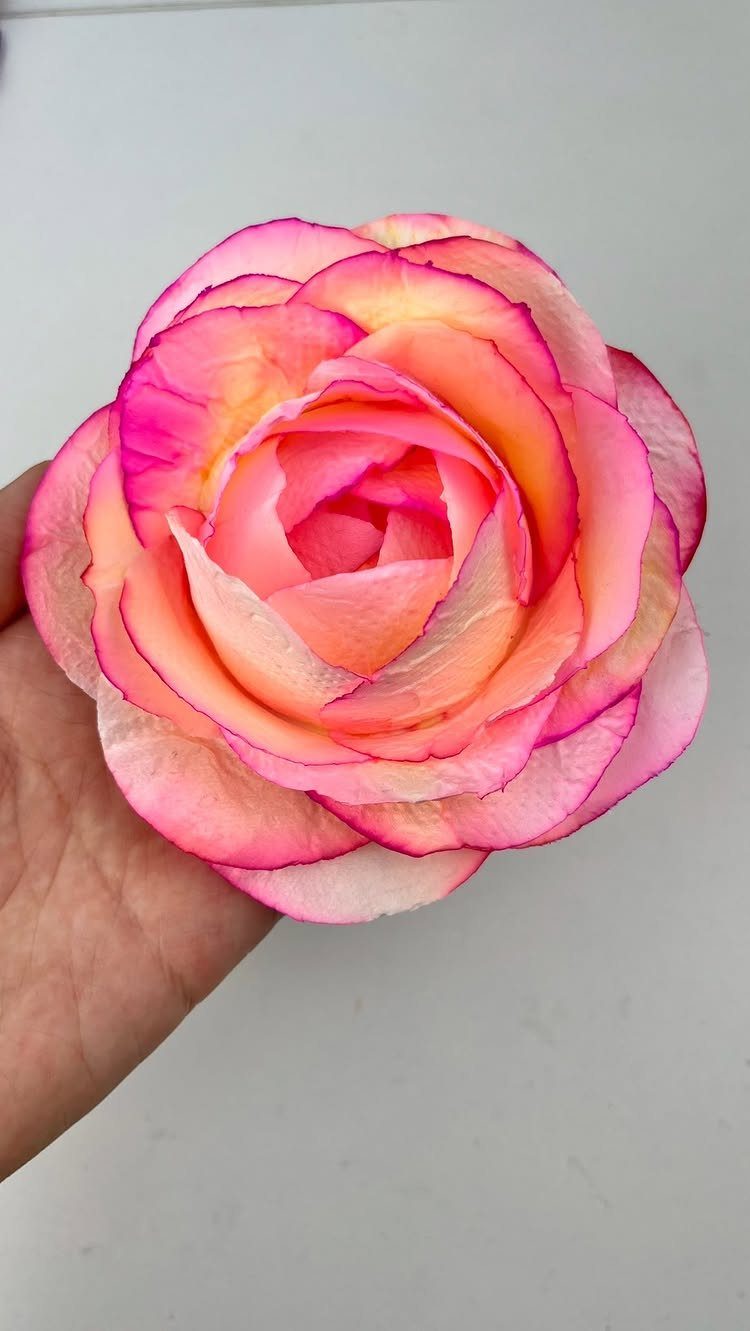
A single oversized tissue paper rose can replace the bow entirely. Layers of pink and yellow tissue, gathered at the center and fluffed outward, give a gift topper that looks like a real bloom from a few feet away.
Tissue is cheap, so make three or four and cluster them on a bigger box. Stick to two or three colors so the cluster looks planned.
I would pair them with plain kraft or white paper. Busy paper competes with the petals.
4. Dried Fruit Decorations
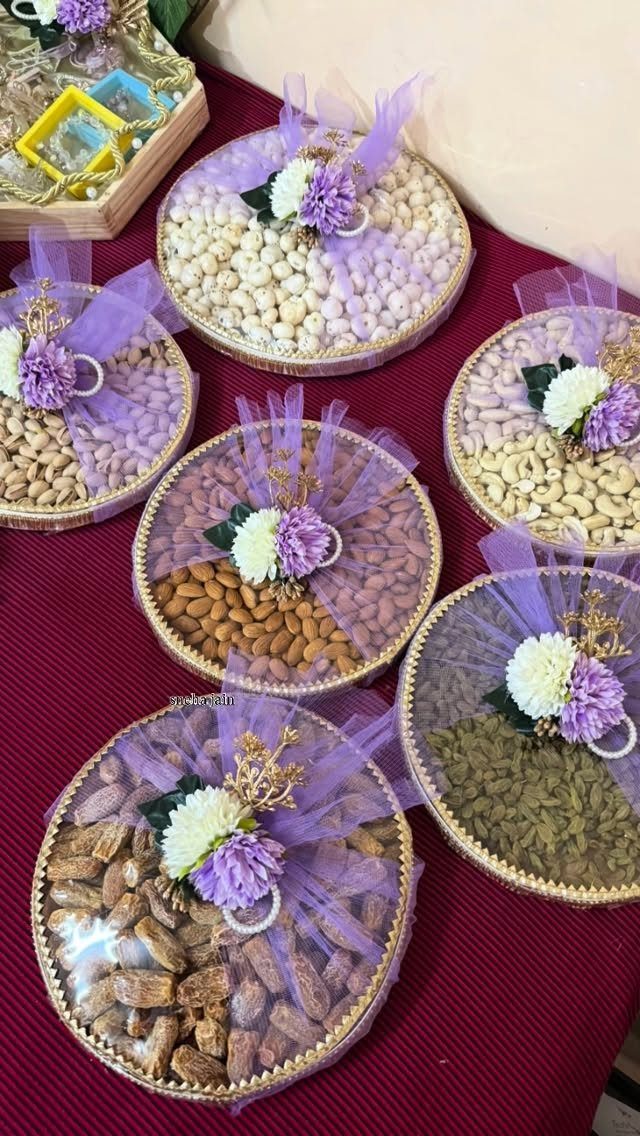
Dried fruit and nuts already look generous, so the wrapping can stay simple: a clear-lidded round container, a wrap of tulle and a bow. The contents are the decoration, and the gift is edible too.
Choose a tulle color that flatters the fruit. Purple works well against the warm oranges and browns inside.
Add a small floral accent at the knot if you want it to feel finished. Make a batch of identical containers for party favors.
5. Splatter Paint Wrapping Paper
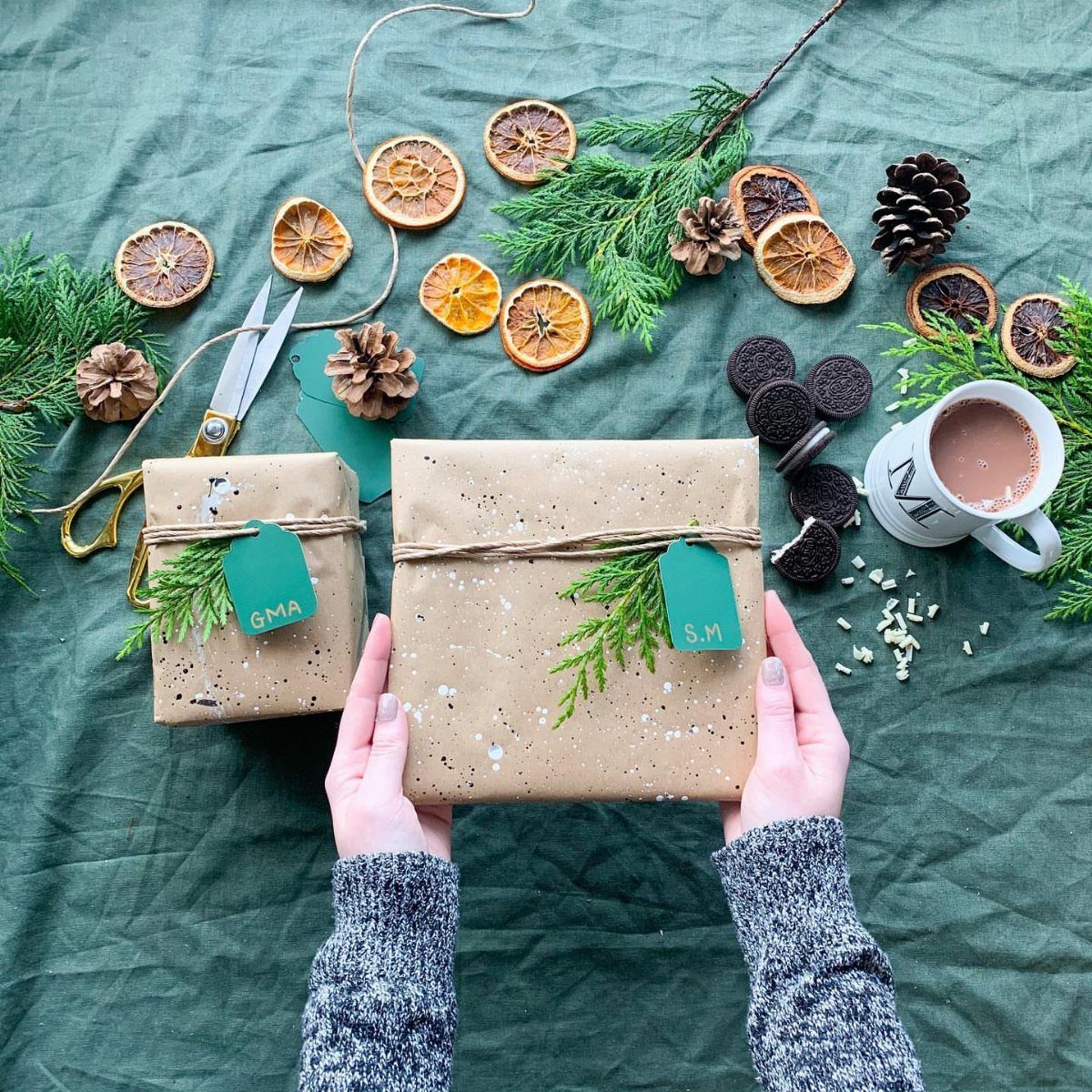
Brown kraft paper and a loaded paintbrush make wrapping paper in about the time it takes to tap off the bristles. Flick the paint over a sheet laid flat, then let it dry completely before you wrap.
Cover the table first, because splatter travels. Use two or three colors at most, or the paper turns muddy.
I like pairing it with dried orange slices and a pinecone tied on with twine. The paper is loud enough that the trims can be natural and quiet.
6. Furoshiki Wrap
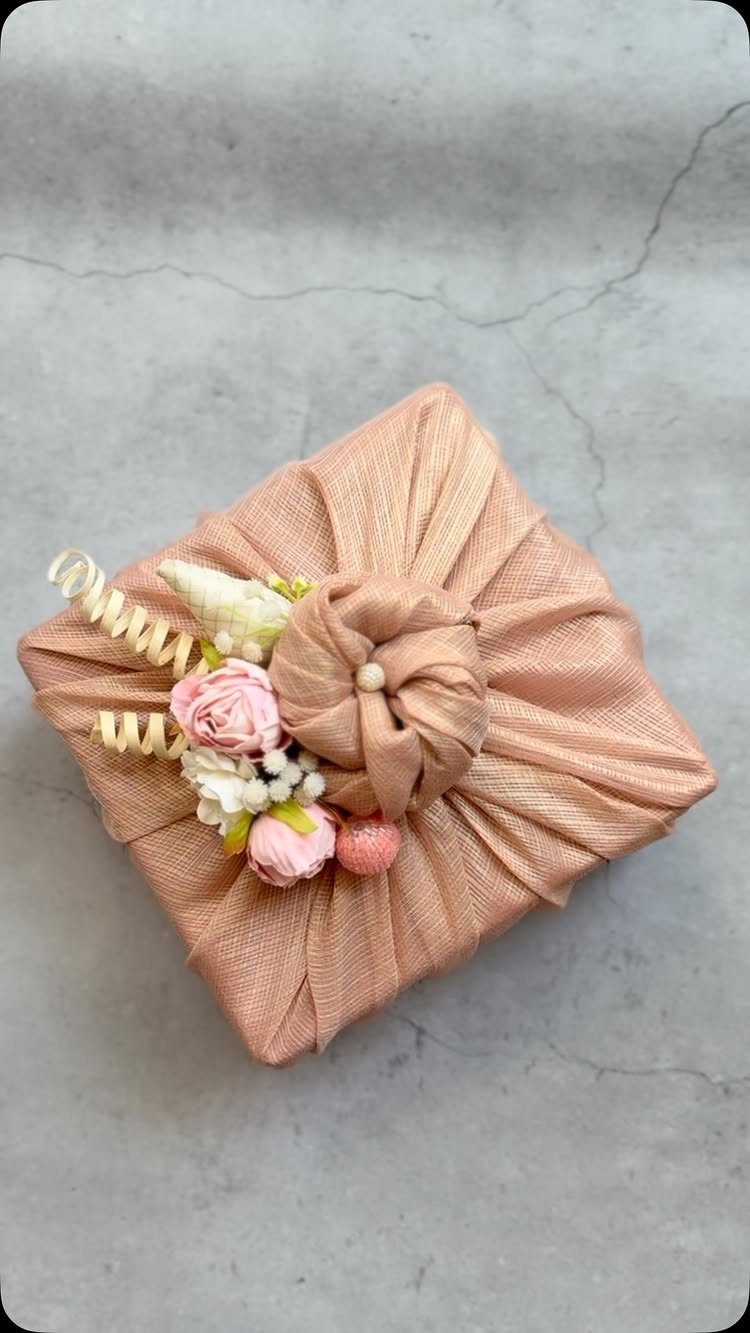
Furoshiki is a square of fabric knotted around a gift, and the knot is the whole design. A peach cloth with a single center knot looks finished before you add anything.
Pick a fabric that folds softly and holds a knot; stiff cloth fights you. Small silk flowers or a pearl pin tucked into the knot add a decorative touch without extra paper.
Best for boxes and books. The recipient gets a scarf or napkin to reuse, which makes it my favorite wrap to give away.
7. Newspaper Wrapping
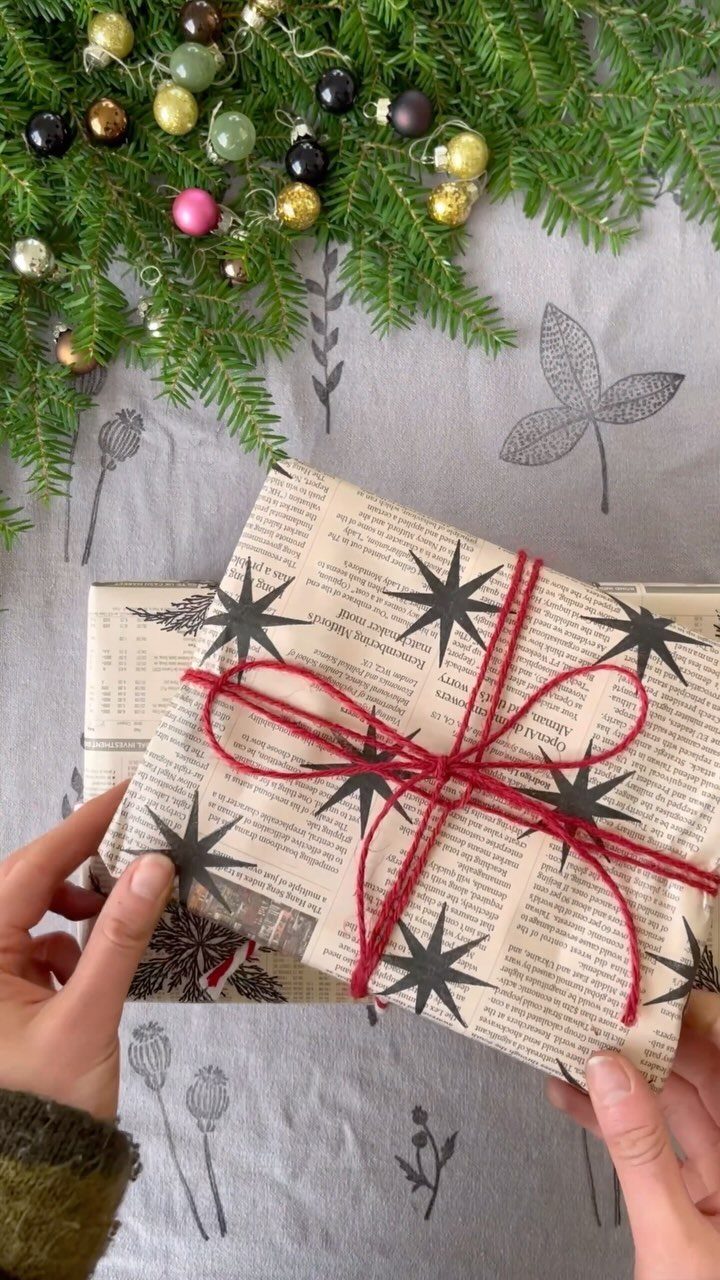
Old newsprint costs nothing, and a bold marker pattern turns it from recycling into wrapping. Black stars drawn over the print give the paper a personal look, and red string gives it a clean finish.
Write a name or short message right on the paper so it doubles as the tag. Leave some blank margin around the words so they stay readable over the columns of text.
Newsprint tears more easily than gift paper, so fold the corners snugly and use a little extra tape. It suits boxes best.
8. Pom Pom Gift Wrap
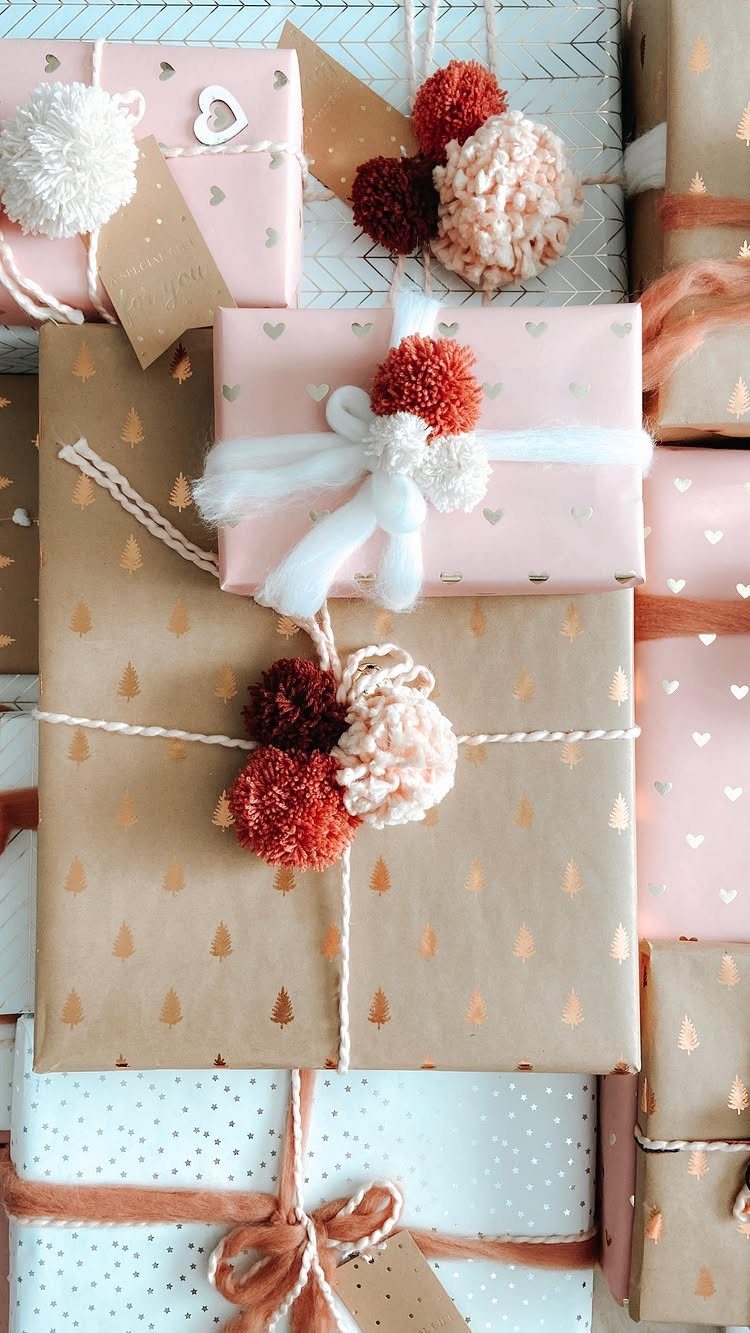
Pom poms are the quickest way to give plain paper some personality. Soft pink and brown paper stays calm, so a few colorful fluffy poms threaded onto twine carry all the fun.
Tie the twine around the box first, then fix the poms along it or clustered at the knot. Pick two or three colors from the pom assortment and skip the rest, so the pile looks chosen rather than random.
A small tag reading "for you" keeps it sweet. For several gifts, repeat the same paper and twine so they match as a set.
9. Color-coordinated Gift Wrap
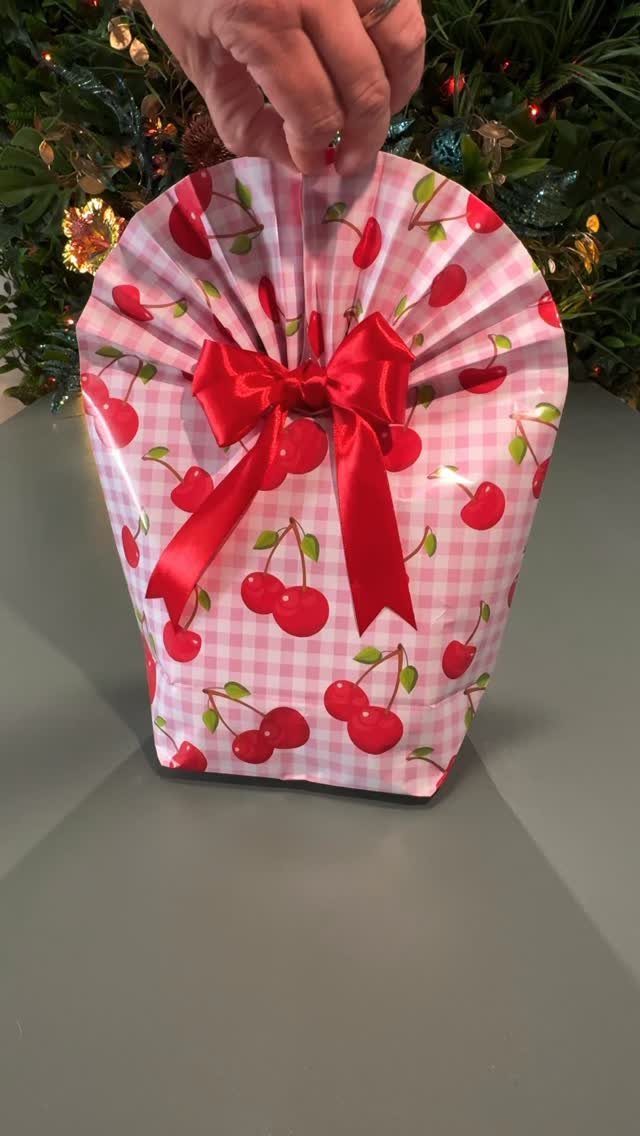
Color-coordinated wrap works best when you pick one pairing and let it carry the whole package: a pink gingham paper with a small cherry print, say, tied with a red satin ribbon that picks up the cherries.
Keep the ribbon in a single shade from the print, and skip extra tags or trims in a third color.
The red in the cherries repeats in the ribbon, so the bow looks chosen for the paper instead of added later.
Start with the paper, then match the ribbon to its strongest color. Satin looks richer than curling ribbon and sits flat against a busy pattern.
I would keep everything else plain: no extra tag colors, no second pattern. If you wrap several gifts, repeat the ribbon and vary the paper slightly.
Tips for Effective Wrapping
Paper thickness decides how a wrapped box looks.
Sharp scissors made for paper give clean, straight edges; dull blades tear the paper and leave ragged cuts.
Grid lines on the reverse side give you a straight edge to cut along, which saves the kind of crooked trim you notice from across the room.
Clear tape that tears easily and doesn’t show much works for most wraps. Double-sided tape gives a cleaner finish, but you have to fold under every raw edge before you stick it down.
Keep a gift tag or a marker nearby. Labeling the gift is a small step that’s easy to forget, and it’s the one that tells the recipient who it’s from.
Sustainable Wrapping Options
A wrap counts as sustainable if it can go back into use, into the recycling bin or into compost without leaving waste behind. Reusable fabric, recycled paper, kraft paper, old maps and newspapers all qualify.
Maps are the one I’d try if you haven’t: they have more color and detail than newsprint, and they suit a gift for someone who travels.
Before you reach for foil or glitter paper, check whether it can be recycled. Plain paper and natural trims, like a sprig of greenery, can go in the recycling or compost afterward, while mixed materials usually can’t.
Fabric wins on reuse. Choose a piece the recipient will want to keep, and the wrapping never reaches the trash at all.
Instead, let your present shine with a creative presentation that doesn’t have to cost much (in fact, many are eco-friendly). You can DIY most of these unique gift-wrapping ideas, even using recycled materials you might already have.
— PopSugar
Personalization Ideas
A handwritten note does more than any trim. Even two lines in your own writing make a plain package feel chosen for one person.
I like pairing a narrow ribbon with a wider one in a different finish: grosgrain under satin, or rough jute with a stem of rosemary. Rosemary or a dried orange slice adds a natural touch, and it smells good too.
Matching the color scheme from gift to gift ties the whole pile together, even when box sizes and ribbon styles change.
Use what you already have in the house; a simple wrap with care in it beats a perfect one bought in a rush.
Frequently Asked Questions
What are some creative ways to wrap gifts?
Fabric is the strongest pick: a bag closed with a satin ribbon, or a square of cloth knotted around the box in the furoshiki style.
Hand-drawn or splattered paper and tissue paper roses in place of a bow also look special at almost no cost. Fabric wins because the recipient can reuse it, and the wrapping never becomes trash.
What materials are best for eco-friendly wrapping?
For eco-friendly wrapping, a square of reusable fabric wins, since the recipient can fold it up and use it again; after that I’d rank recycled paper, plain kraft, and then old maps or newsprint, which cost almost nothing.
Finish with twine, a sprig of greenery or a dried orange slice, because each of those can be composted or recycled once the gift is open.
Skip foil and glitter paper unless you have confirmed it can be recycled, since mixed materials usually can’t.